
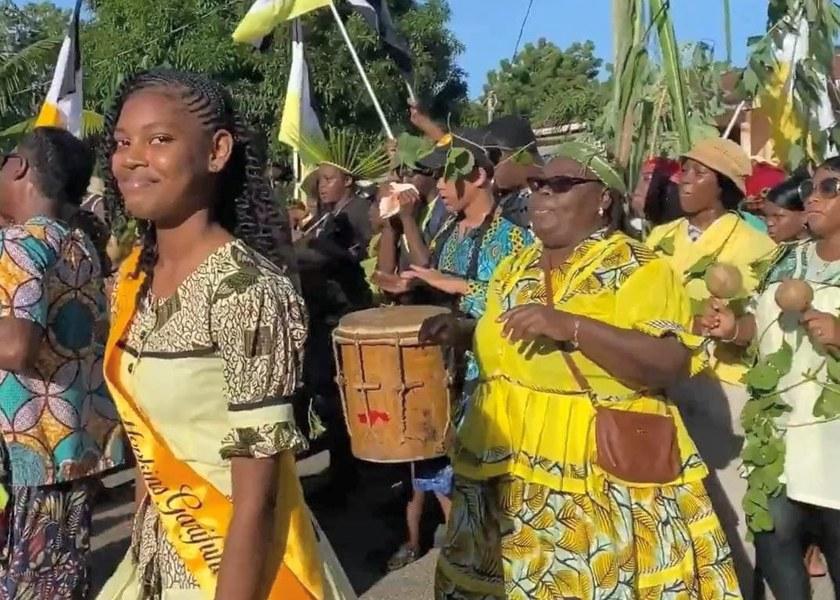
Every November 19th, Hopkins walks down to the water at dawn and waits for the boats. Nobody knows exactly when they'll arrive, and nobody seems to mind, because the drums start long before they do.
November 19th is the best time to experience Garifuna culture. Garifuna Settlement Day is one of the most fun holidays in Belize, and Hopkins and Dangriga are the two best places in the country to enjoy it!
Who the Garifuna are
Many people visiting Belize for the first time assume that the people they meet in Hopkins share the same background as the people they meet elsewhere in the country. This is not the case. Hopkins, Dangriga, Seine Bight (near Placencia) and a few other villages are primarily Garifuna, as opposed to the Creole people found in Belize City and most other towns and villages.
The Garifuna have their own culture and language, which is completely distinct from anything else you’ll hear here. The Garifuna (the people are called Garinagu) are descended from West African survivors of shipwrecks off the island of St. Vincent, who mixed with the Arawak and Carib people already living there. After the British expelled them from St. Vincent in the 1790s, they were sent to the Honduran island of Roatan, and from there they spread along the Caribbean coast of Central America, including Belize.
Garifuna Settlement Day in Hopkins: What It Commemorates
November 19th celebrates the arrival of the Garifuna in Belize. The most famous part of the day is the Yurumein (re-enactment), early in the morning. A bunch of dories (traditional dugout canoes), with Garifuna dressed in their traditional attire, will appear and come toward shore. A man dressed as a governor will turn them away twice, and the boats will depart again, circle around, and try to land again. Only on the third attempt will they be permitted to land.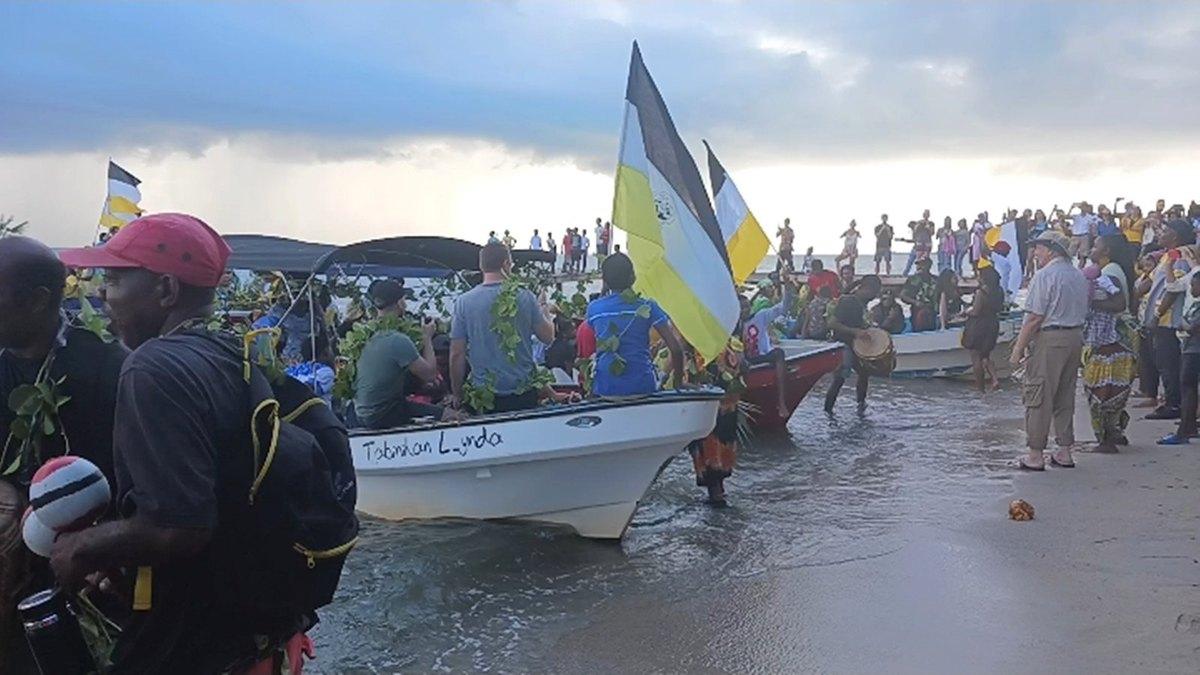
This is to symbolize what happened at the original landing. The Garifuna approached, seeking permission to land, and were repeatedly turned away by the British governor. Only after he became convinced of their peaceful intentions, and only after seeing women and children, did he give permission for the Garifuna to settle in Belize, though not in the capital. At that point, the Garifuna turned southward and settled along the southern part of Belize, most notably in Dangriga.
The celebration usually begins the night before, often with a church service and drumming that carries on until dawn. The biggest parties are usually held in Dangriga, but in Hopkins and most other Garifuna communities, there will be parades, singing, dancing, food, and cultural events throughout November (like the Battle of the Drums).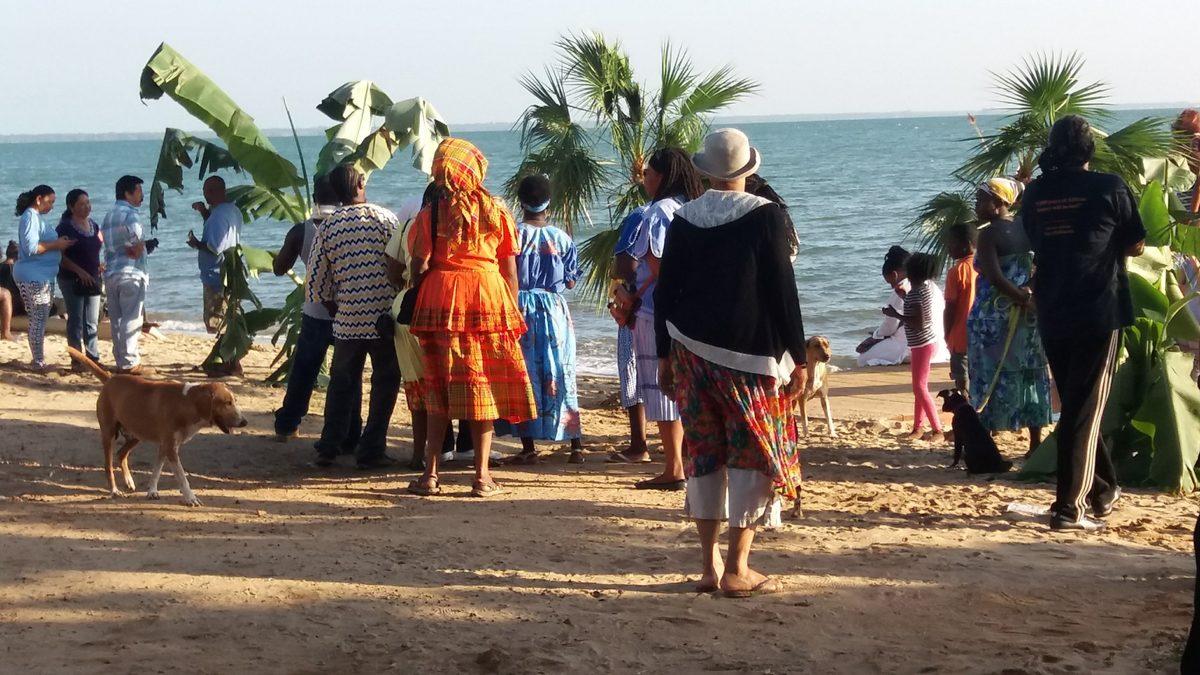
Here in Hopkins, the landing happens at the pier in the center of the village, just 100 feet from Coconut Row! The re-enactment begins at 7:30, but the time the boats actually arrive varies widely, since they're often not very punctual. There's usually lots of drumming and entertainment on the beach while you wait, so it's a fun way to spend the morning. After the landing, there's a procession to the Catholic church in the village center, where a mass kicks off the day's activities. Later in the day there's a parade, and all day long you'll find food stalls and vendors, fun games, and lots of great people watching.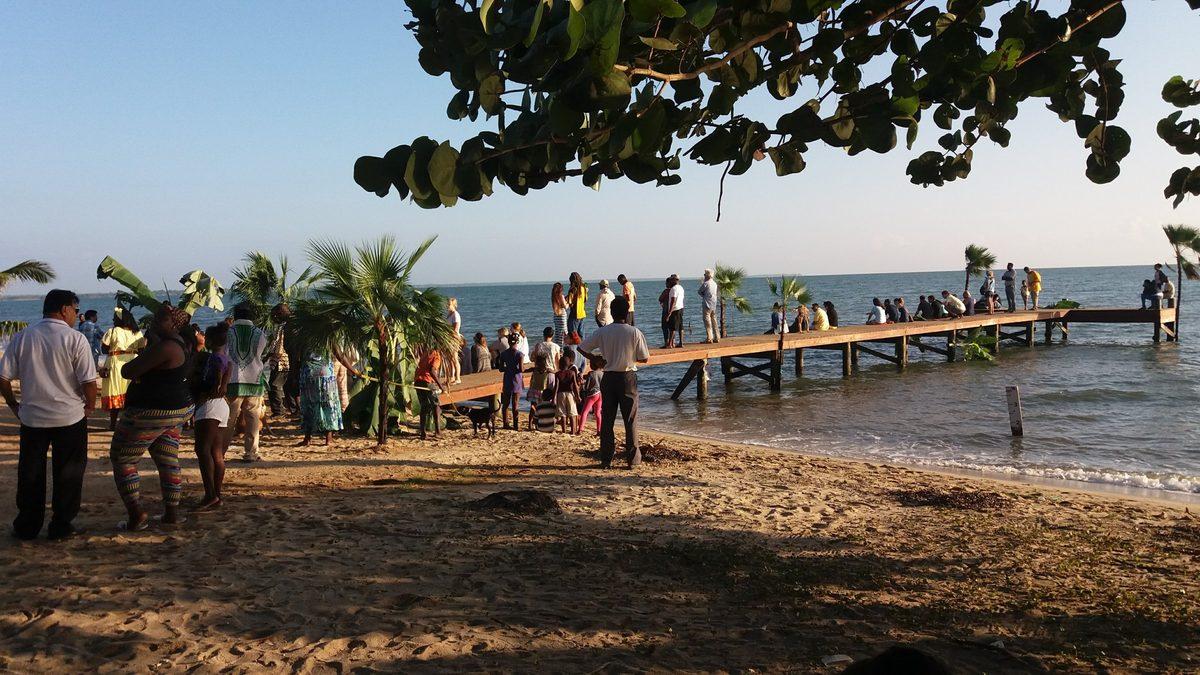
The Garifuna Language
As I mentioned earlier, the Garifuna have a completely distinct language from the rest of the people in Belize. If you hear Belizeans speaking and you understand maybe one word out of three, they are speaking Creole. (Not the same French-derived Creole that you might associate with New Orleans - this Creole is a “broken English”.) All Belizeans speak Creole, in addition to English and any other languages they may speak. The Garifuna language is something else; it's derived from Arawak and African, with some Caribbean and Spanish influences. You won’t understand any of it (except for an occasional word in Spanish or English.)
Garifuna Food in Hopkins
Garifuna food is distinct too. It is very labor-intensive, so it isn’t on many restaurant menus (though a few places in Hopkins do serve it). But it is delicious!
If you eat one Garifuna dish, make it hudut: fish in a coconut broth with onions, peppers, garlic and local herbs, served with a pile of mashed green and ripe plantain (the plantain is pounded in a wooden mortar). Pro tip: if you’re like me and you don’t like bones, you can ask some places to prepare “Gringo hudut” for you, which is made with fish fillet instead of whole fish. Yes, it’s cheating, but still delicious!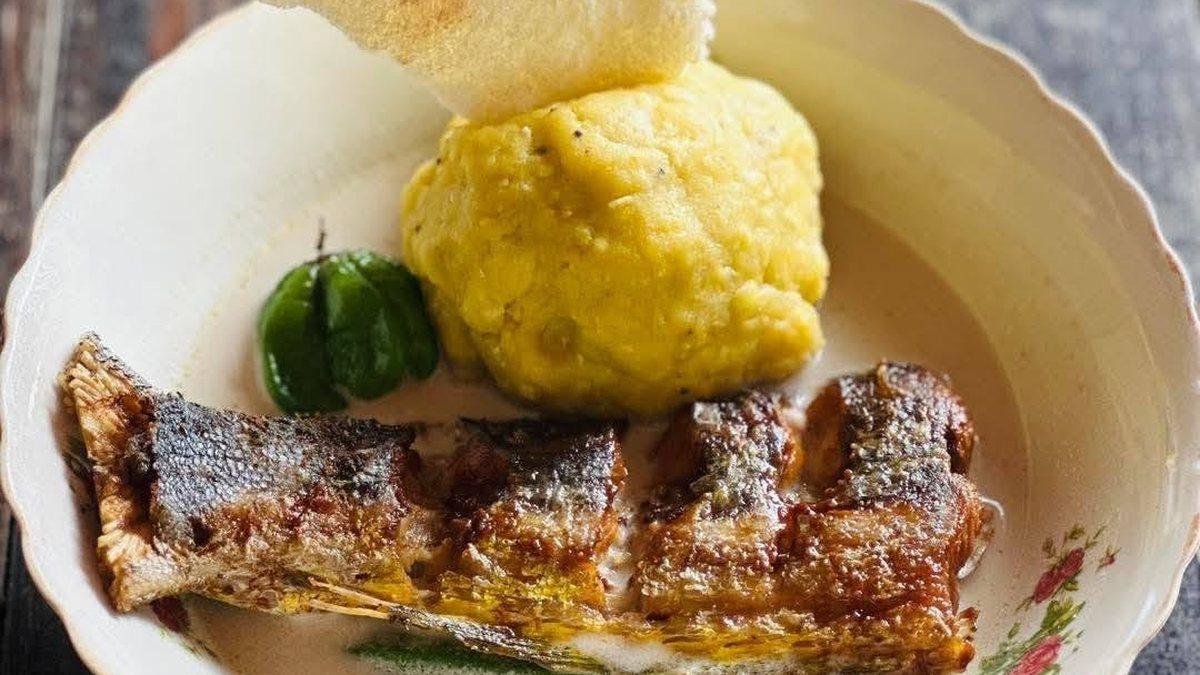
My personal favorite is Darasa, made from grated green banana and coconut milk and spices, wrapped in a banana leaf and boiled until solid, almost like a tamale. Traditionally it's served with fried fish, but it's now frequently served with other meats (like stewed chicken) and gravy, and I love the taste of the darasa mixed in gravy!
A few others that you'll enjoy:
Sere: fish simmered in coconut milk with onion, garlic and local seasonings, often served with coconut rice.
Bundiga: a stew of green bananas in coconut milk, usually made with fish.
Tapou: a fish stew with root vegetables and green bananas.
Sahou: a creamy, sweet drink made from cassava, often served warm - it's like a cross between pudding and eggnog.
Ereba: cassava bread, a thin, hard flatbread made from grated cassava root. (The yellow stripe on the Garifuna flag stands for it.) Once you soak it with any liquid, it absorbs it and becomes soft and spongy.
Cassava pudding: a sweet, dense baked dessert made with cassava and coconut milk, often called “plastic cake”.
Garifuna Music and Drumming in Hopkins
The drum is the center of Garifuna music, and Hopkins is one of the best places in Belize to hear it properly.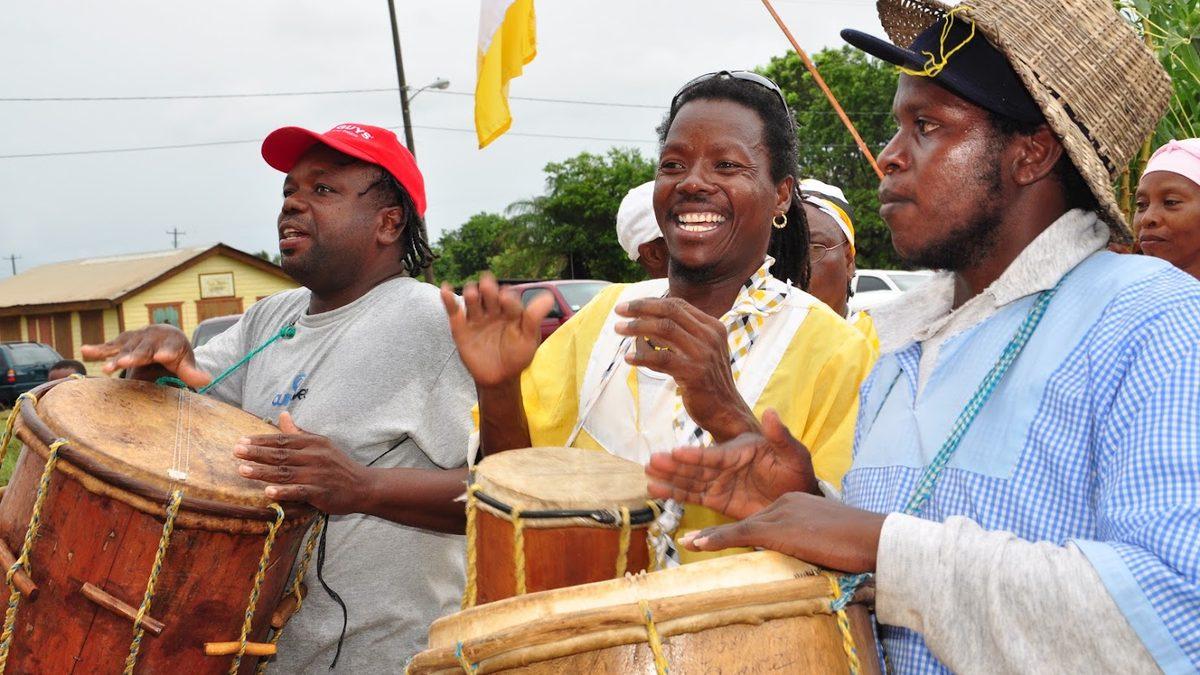
You will hear non-stop drumming all over the village any time around the 19th. Even during the rest of the year, it’s easy to catch Garifuna drumming at one local restaurant or another (restaurants usually have a set night of the week for drumming, so feel free to ask the Front Desk.) For example, Driftwood Pizza has been well known for its Tuesday night Garifuna drumming and dancing for many years.
The Lebeha Drumming Center was established in 2002 by Jabbar Lambey and Dorothy Pettersen to keep Garifuna music alive, teach it to young people in the village and share it with visitors. A CD recorded by Hopkins youth, Traditional Garifuna Music, was shortlisted for a Grammy in 2006.
Any time you hear lots of Garifuna music, you'll definitely hear songs from the most famous Garifuna album of all time, Watina, made in 2007 by Andy Palacio, who grew up in Barranco in southern Belize. It was made with Garifuna musicians from Belize, Guatemala and Honduras, including the elder singer Paul Nabor and a guest appearance by Aurelio Martinez, and it won Andy Palacio the WOMEX world music award, was a No. 1 album on the World Music Charts Europe, and got him named a UNESCO Artist for Peace. Sadly, Andy died in 2008, just as the world was discovering him. The band behind the record, The Garifuna Collective, carries his music on, although the members have changed over time.
You will also hear and see lots of punta music here, a fast, fun rhythm where dancers try to shake their booty very fast, which is always a good time!
Learning Garifuna History in Hopkins
My personal favorite teacher of Garifuna history is Rudolph Coleman, a village elder who is still extremely sharp and funny at 85 (that probably has to do with the fact that you can find him riding his bike and working his farm every day.) Mr. Coleman is always present at village meetings to inform the community of the history behind any given situation, and he's very well researched on the history of the community, including events from before his time. He wrote an extremely interesting short book, called A Brief History of Hopkins Village, which you can buy at Coconut Row. And while he's extremely busy, he'll often make time to meet with anyone who would like to discuss Garifuna history or ask him questions.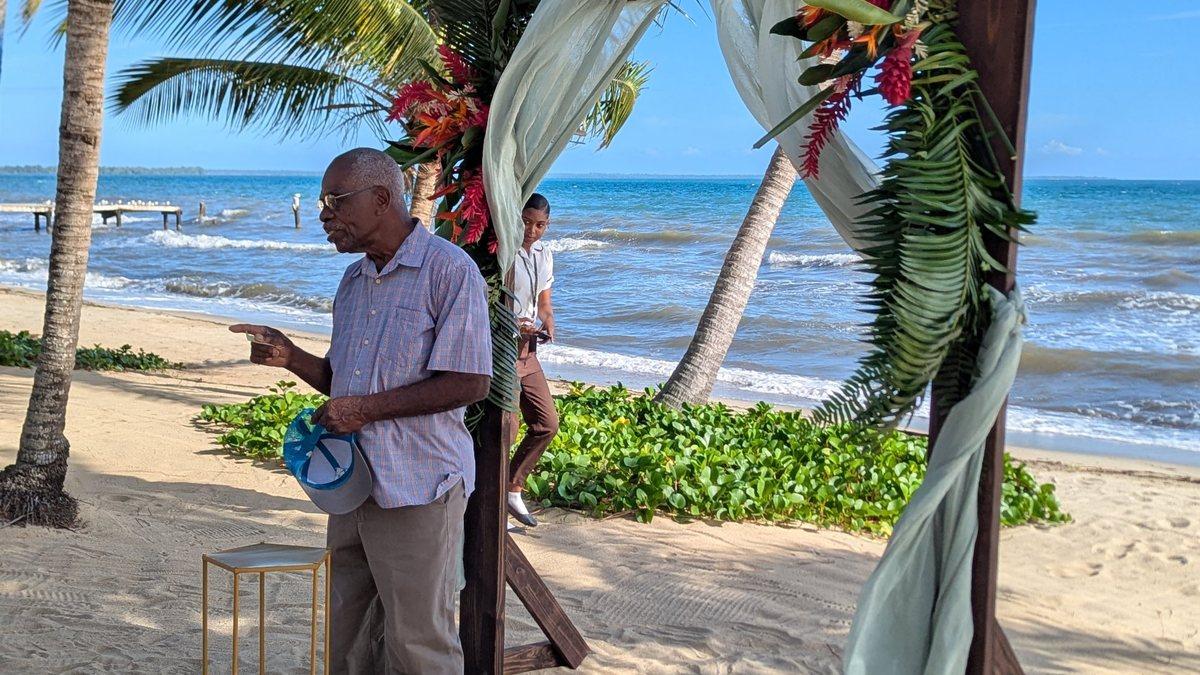
Where to Stay in Hopkins for Garifuna Settlement Day
If you're coming to Hopkins for Settlement Day, Coconut Row Boutique Hotel and our sister property, Buttonwood Belize, are ideal places to stay. Both sit right on the beach in the center of the village, only three blocks apart, so the drumming, the restaurants and the celebrations are an easy walk from your door and you don't need a car. When you want some peace after the party, you'll have it. Buttonwood guests can also use Coconut Row's pool and restaurant, and book our tours.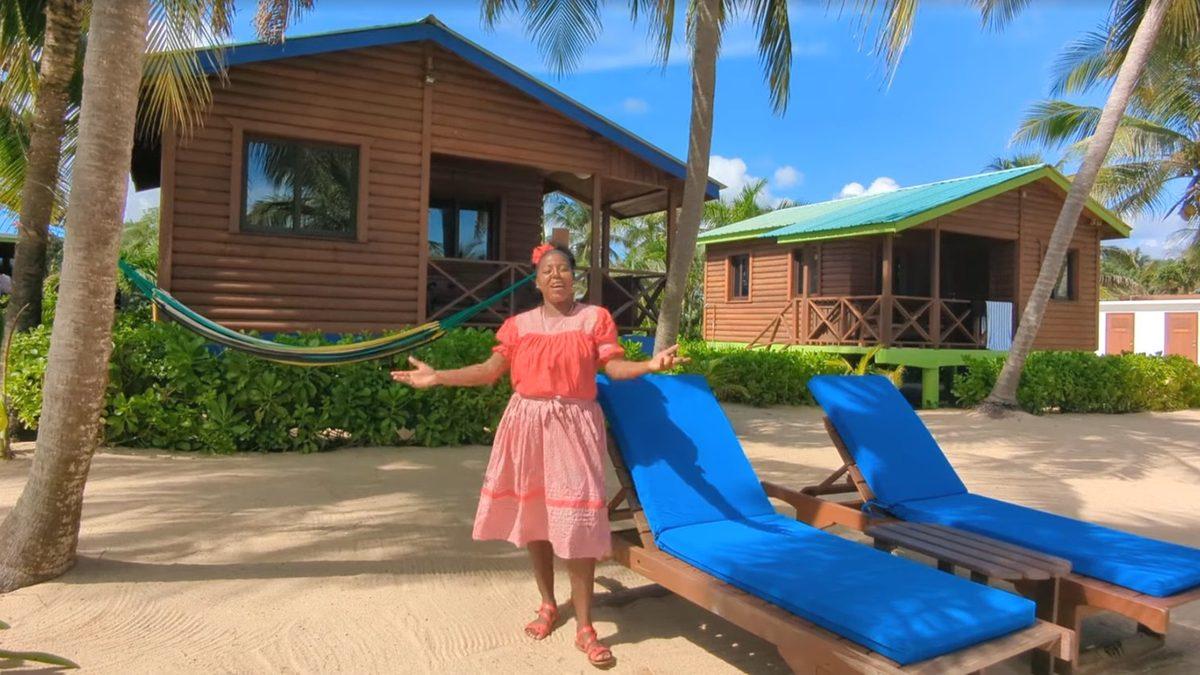
At Coconut Row Boutique Hotel, we can arrange a Garifuna cooking and drumming experience: you beat the drums to rhythms taught by local drummers, grate your own coconut for the broth, mash the plantains, cook on a fire hearth and then eat what you made. We can also recommend restaurants to check out, tell you where to find the music on any given night, arrange a talk with Mr. Coleman, and let you know about the festivities in Hopkins this year.
If you're thinking about being here for the 19th, we'd love to have you. Visit coconutrowbelize.com, call us at +1 (518) 557-8500, message us on WhatsApp at +501 615-3003, or email info@coconutrowbelize.com, and we'll tell you what's happening in the village that week. See you soon!